

Optimizing cash flow management for small and medium-sized enterprises.
Reading time: 6 minutes
In an increasingly volatile economic environment, cash flow management plays a crucial role for small and medium-sized enterprises (SMEs). The ability to flexibly control and optimize financial resources is not only a key factor in ensuring stability today but also shapes their future. This article will explore how to manage cash flow for SMEs, providing insightful perspectives and smart strategies for aspiring entrepreneurs.

Vietnam’s Leading AI-powered Multi-Channel Virtual Call Center
The Importance of Cash Flow Management for Small and Medium-Sized Enterprises
The importance of cash flow management for small and medium-sized enterprises (SMEs) cannot be underestimated. Cash flow management plays a crucial role in the survival and development of businesses in this segment. Cash flow is the lifeblood of a business, and cash flow management helps ensure that businesses have sufficient cash to pay accounts payable, meet financial needs, and invest in expansion or development.
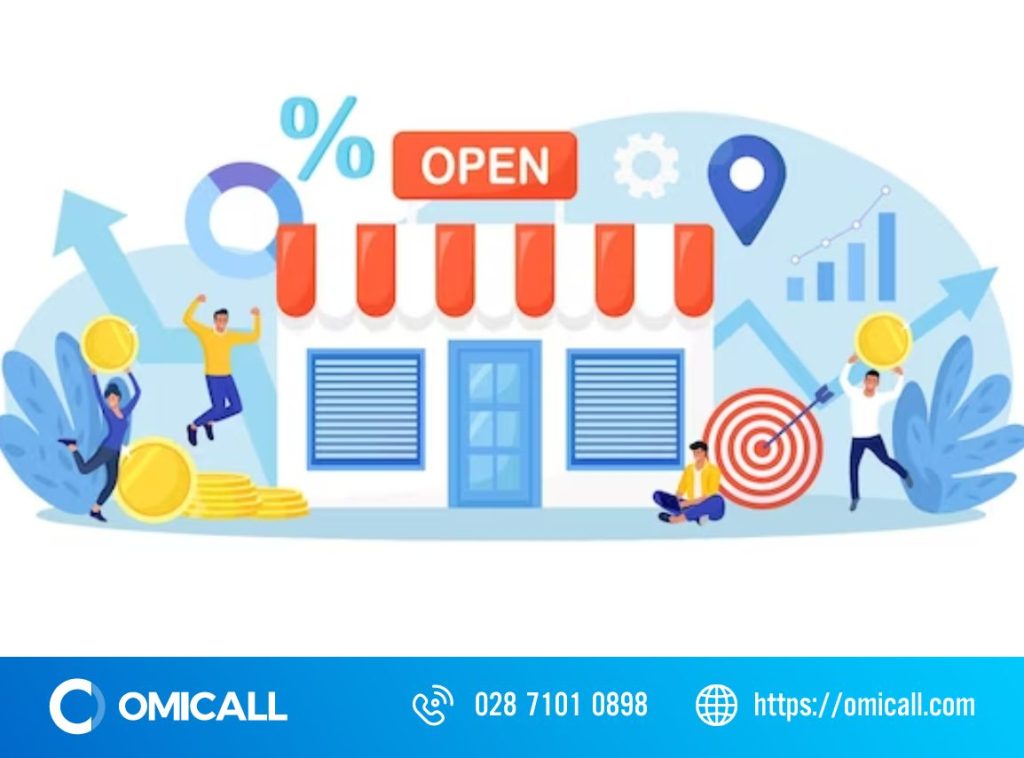
Cash flow management plays a crucial role in the survival and development of businesses.
Cash flow management also helps small and medium-sized enterprises (SMEs) effectively control debt collection and payment processes, thereby minimizing financial risks and enhancing access to capital. Furthermore, careful cash flow management helps businesses forecast and plan their finances effectively, facilitating strategic decision-making and ensuring financial stability in a changing business environment.
In short, cash flow management is vital to ensuring the sustainable survival and development of SMEs. Mastering and applying effective cash flow management will help businesses strengthen their financial position, reduce risks, and create favorable conditions for expansion and growth in an increasingly competitive business environment.
Challenges in Cash Flow Management for Small and Medium-Sized Enterprises
Delayed Cash Transfers
This is a common challenge for small and medium-sized enterprises (SMEs), as the time it takes to collect payments from customers and pay suppliers is lengthy.
Delayed cash transfers can put financial pressure on businesses, reducing their ability to pay debts and negatively impacting capital turnover.
Credit and Debt Collection Risk
For SMEs, credit and debt collection risk can negatively impact cash flow.
Customers failing to pay on time or defaulting on payments can cause financial losses and weaken the business’s ability to pay its debts.

Credit Risk and Debt Collection
Financial Market Volatility
Financial market volatility, including changes in interest rates, exchange rates, and commodity prices, can significantly impact a business’s cash flow.
Businesses need to address this challenge and implement appropriate risk management strategies to ensure financial stability.
These challenges require small and medium-sized enterprises (SMEs) to have effective cash flow management. By implementing appropriate strategies and methods, such as strengthening debt collection processes, careful financial forecasting and planning, and investing in risk management, businesses can overcome these challenges and maintain stable and sustainable cash flow.
Optimizing Cash Flow Management for SMEs
Financial Forecasting and Planning
Financial forecasting and planning are crucial elements of cash flow management.
Businesses need to be able to accurately predict and estimate financial income and expenses to ensure stability and sufficient cash reserves.

Financial Forecasting and Planning
Strict Debt Collection Process
An effective debt collection process helps businesses ensure timely collection from customers and minimize credit risk.
This includes establishing clear debt collection policies and procedures, monitoring accounts receivable, and taking prompt action when difficulties arise in collection.
Investing in a Risk Management System
To optimize cash flow management, businesses need to invest in a risk management system.
By identifying and assessing financial risks, businesses can implement effective risk prevention and management measures.
Building an Efficient Payment Process
An efficient payment process helps businesses save time and optimize cash flow management.
By building automated payment processes and utilizing convenient payment technologies and systems, businesses can minimize delays and losses in the payment process.
Optimization is not only a challenging task but also the key to business success. Flexibility in financial strategy, cost control, and the ability to reshape revenue streams are crucial factors in overcoming challenges and building a solid foundation for the future. With a deep understanding of cash flow management, businesses can not only survive but also thrive in today’s business environment.
In conclusion:
With proper cash flow management, small and medium-sized enterprises (SMEs) can not only maintain financial stability but also create a foundation for sustainable growth. Understanding revenue and expenses, being flexible in financial management, and developing smart strategies are key to overcoming difficult challenges and building success in today’s business environment.
For more information, please contact:
VIHAT TECHNOLOGY Co., Ltd
Headquarters: ViHAT Building – 06 Street No. 16 (Him Lam Residential Area) – Hiep Binh Chanh Ward – Thu Duc District – Ho Chi Minh City
Hanoi Branch: Floor 15, LADECO Building, 266 Doi Can, Ba Dinh, Hanoi
Cambodia Branch: Thida Rath #154 St. 33MC, Sangkat Steung Meanchey, Khan Mean Chey, Phnom Penh

-
 What is TikTok advertising? Advertising policies and how it works.
-
 Exploring Conceptual Selling – Understanding Modern Sales Trends Correctly
-
 What is a KOC? Distinguishing between KOLs and KOCs.
-
 What Are Customer Insights? Revealing How to Effectively Uncover Them
-
 What is Digital Marketing? 10 Effective Forms of Digital Marketing
-
 What is Online Marketing? Types of Online Marketing





