

What is a Target Market? The Latest Steps to Identifying Your Target Market in 2024
Reading time: 7 minutes
In a business context, a target is typically understood as the goal or audience that a specific campaign or activity aims to reach. In the era of Marketing 4.0, a clear understanding of “What is a Target Market?” is crucial for achieving success in marketing strategies. Especially in 2023, which is witnessing continuous innovation in how businesses identify and reach their target customers, this article will help you delve into the concept of Target Market and provide the latest steps for identifying your target market in 2024.

Vietnam’s Leading AI-Powered Multi-Channel Virtual Call Center
What is a Target?
In a business context, a target is typically understood as the objective or audience that a specific campaign or activity aims to reach.
What is a Target Market?
A target market is the group of customers that a business or organization is particularly interested in and targets when developing and implementing a marketing strategy. This audience is usually identified based on factors such as demographic characteristics, purchasing behavior, preferences, needs, and other factors related to the product or service offered.
Identifying the target market is a crucial part of the marketing strategy development process because it helps businesses focus their efforts and resources on the group of customers most likely and willing to purchase their products or use their services. This optimizes marketing performance, increases the likelihood of closing deals, and builds strong customer relationships.
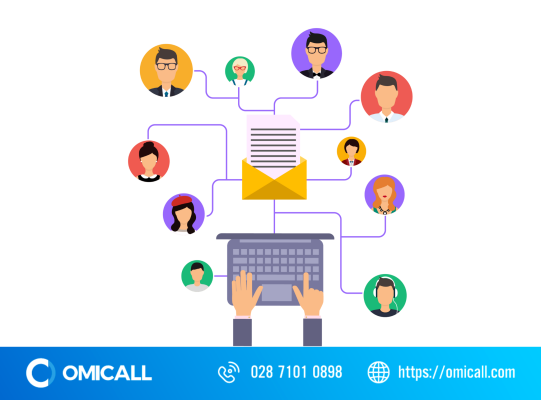
What is a Target Market?
What is the Importance of Defining a Target Market?
Defining a target market is one of the most fundamental yet crucial steps in any business’s marketing strategy. Below are key points regarding the importance of defining a target market:
Clear Audience
Defining a target market helps businesses identify the specific customer segment they want to focus on. This clarifies the image of the target customer, from characteristics to needs and desires.
Optimized Resources
By clearly defining the target market, businesses can optimize their resources. Instead of spending resources on a broad audience, they can focus on the group of customers most likely to respond positively.
Effective Marketing Strategy
Defining a target market makes marketing strategies more effective. Businesses can create messages and campaigns that align with the specific characteristics and desires of their target customers.
Creating Uniqueness
A clearly defined target market helps businesses stand out and be unique in the market. Focusing on the unique characteristics of the target customer helps businesses create exceptional value.
6 Steps to Defining Your Business’s Target Market
Step 1: Review Your Current Customer List
To effectively define your target market, the first step is to thoroughly explore and analyze information about your current customers. This allows you to identify common characteristics, purchasing trends, and shared needs of customers using your products or services. By understanding your current customer base, you gain deeper insight into the target group you need to focus on.
Your current customer list provides you with several important pieces of information about your customers, including:
- Demographics: Age, gender, income, geographic location, etc.
- Behavior: Interests, shopping habits, etc.
- Psychology: Values, beliefs, etc.
By analyzing the current customer list, businesses can identify common characteristics of potential customers.
Step 2: Analyzing the Competitor Situation
Facing an increasingly competitive market, understanding competitors is a crucial step. By analyzing the competitor situation, businesses can identify the customer groups they are targeting and serving. Simultaneously, analyzing the strengths and weaknesses of competitors will help businesses identify opportunities and challenges in the market.
Through competitor analysis, businesses can identify:
- Which customer segments are your competitors targeting?
- What marketing strategies are your competitors using to reach their target customers?
Step 3: Product/Service Analysis
This requires a deep understanding of the product or service the business offers. Analyzing the unique characteristics and advantages of the product or service helps identify the strengths that should be focused on in the marketing strategy. This also helps the business understand the value it brings to its target customers.
Through product/service analysis, the business can determine:
What benefits does the business’s product/service offer to customers?
- What are the needs and desires of potential customers?
Step 4: Select Specific Demographics to Target
One of the most important steps in the Target Market identification process is selecting the specific demographics that the business wants to target. This can include age, gender, geography, income, and education level. This helps focus marketing efforts on the right target customer group, increasing the effectiveness of the strategy.
Step 5: Consider the Psychology of the Target Customer
The psychology and desires of customers are crucial to the success of a marketing strategy. This step requires businesses to delve into the psychology, values, and goals of their target customers. This helps create marketing messages that customers can empathize with and enjoy.
Step 6: Evaluate Your Decision
Finally, after delving into all aspects of the Target Market identification process, businesses need to re-evaluate their decision. Ensure that the chosen customer group accurately reflects the target audience the business wants to focus on and serve. This also helps ensure the marketing strategy is a comprehensive and unique picture in today’s market.
Some questions businesses can use to evaluate their decisions include:
- Is the target market suitable for the company’s products/services?
- Can the target market be reached effectively?
- Is the target market large enough for the company to succeed?
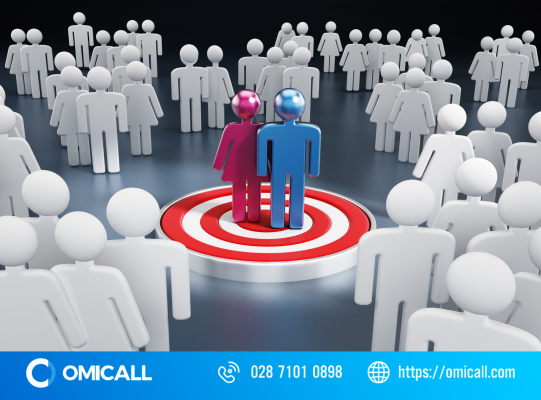
- 6 Steps to Identifying Your Business’s Target Market
Case Study of Choosing the Right Target Market
Bitis is a well-known Vietnamese footwear brand. In recent years, Bitis has undergone a significant transformation, from a mass-market brand to a premium one. This transformation is thanks to Bitis’s successful identification of its target market.
Previously, Bitis targeted everyone, from students to working professionals. However, this strategy was ineffective because Bitis could not meet the needs of everyone.
In 2015, Bitis changed its marketing strategy, focusing on young, dynamic, and sports-loving customers. Bitis built an image and brand that resonated with this customer group, while also utilizing effective marketing channels to reach them.
Thanks to correctly identifying its target market, Bitis achieved significant success. Its revenue grew strongly, and the Bitis brand became more popular among young Vietnamese people.
In conclusion
In an increasingly volatile and diverse market, understanding “What is a Target Market?” becomes key to the success of any marketing strategy. By grasping the characteristics, needs, and behavior of target customers, businesses can optimize their strategies and build strong relationships with the market.

VIHAT TECHNOLOGY Co., Ltd
Headquarters: ViHAT Building – 06 Street No. 16 (Him Lam Residential Area) – Hiep Binh Chanh Ward – Thu Duc District – Ho Chi Minh City
Hanoi Branch: Floor 15, LADECO Building, 266 Doi Can, Ba Dinh, Hanoi
Cambodia Branch: Thida Rath #154 St. 33MC, Sangkat Steung Meanchey, Khan Mean Chey, Phnom Penh

-
 What is TikTok advertising? Advertising policies and how it works.
-
 Exploring Conceptual Selling – Understanding Modern Sales Trends Correctly
-
 What is a KOC? Distinguishing between KOLs and KOCs.
-
 What Are Customer Insights? Revealing How to Effectively Uncover Them
-
 What is Digital Marketing? 10 Effective Forms of Digital Marketing
-
 What is Online Marketing? Types of Online Marketing





