

7 Common Psychological Effects and How to Apply Them to Marketing
Reading time: 5 minutes
Psychological effects are becoming an indispensable element in today’s marketing landscape. This article will explain what psychological effects are and why they are key to successful marketing strategies. In a world of intense competition, understanding customer psychology and knowing how to apply psychological effects in marketing strategies is crucial for creating lasting impressions and connections.

Vietnam’s leading AI-powered multi-channel virtual call center.
Gaining a better understanding of psychological effects.
Explore what creates this psychological effect.
Psychological effects encompass the impact of emotions, feelings, and thinking on purchasing decisions. The combination of these factors not only creates a strong impression but also fosters positive customer interaction.
Why are psychological effects important in marketing strategy?
- Creating a deep connection: understanding psychology helps build a strong connection with the target audience, overcoming the coldness of conventional advertising.
- Increased memorability: messages accompanied by emotional elements are more memorable, making the company’s brand stand out in the customer’s mind.
- Promoting consumer behavior: the psychological impact helps increase the conversion rate from viewers to customers, thus promoting consumer behavior.
Applying psychological effects in marketing strategy.

Applying psychological effects in marketing strategy.
Emotionally evocative content
- Use personal stories and experiences to evoke emotions.
- Create unique and insightful content that sparks curiosity.
Social interaction
- Build an online community by creating content that viewers want to share and engage with.
- Use challenges and competitions to stimulate interaction.
Interactive advertising
- Use images and videos that convey emotions to create a powerful impression.
- Optimize content with emotionally stimulating language.
7 Common Psychological Effects
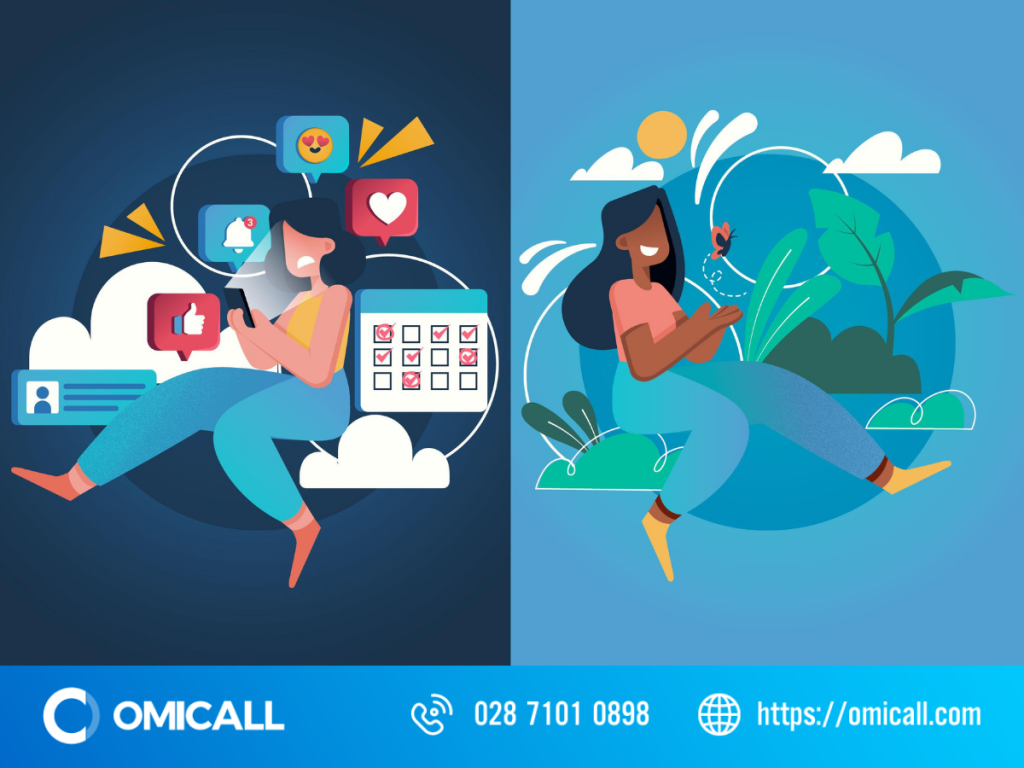
7 Common Psychological Effects
Understanding common psychological effects is key to designing effective marketing strategies. Below are some important psychological effects that marketers should learn about and apply to their marketing strategies:
Decoy effect
- Definition: The decoy effect is the phenomenon where, when a product or idea is placed between two other products or ideas, it becomes more attractive and is more likely to be chosen.
- Application in marketing: placing a company’s product or service at the center of a comparative situation to enhance its value and attract customer attention.
Anchoring effect
- Definition: The anchoring effect describes the feeling that people like the principles and values they have invested a lot of effort in.
- Application in marketing: creating long-term commitment by focusing on connecting customers with the brand’s core values.
Social proof
- Definition: The viral effect describes the ability of a message, idea, or product to spread rapidly from one person to another.
- Application in marketing: creating shareable and engaging content to stimulate natural virality through social media and personal experiences.
The original psychological effect (Verbatim effect)
- Definition: This effect describes the human tendency to hold onto initial opinions and seek confirmation of them, even when new information is available.
- Application in marketing: taking care of customer perspectives and providing supporting information to confirm and reinforce their views on the brand.
Loss aversion
- Definition: This effect describes the feeling of greater loss than gain from achieving an equivalent victory.
- Application in marketing: using a discount or special offer strategy to create the impression of significant benefits when customers agree to participate.
Reciprocity
- Definition: The reciprocal effect occurs when the understanding and acceptance of one idea, product, or service is enhanced by the simultaneous emergence of other ideas, products, or services.
- Application in marketing: placing a company’s product alongside related products or services enhances overall value and creates a positive impression.
Clustering effect
- Definition: This effect is the tendency of people to spontaneously form groups and feel goodwill, trust, and positive interaction within their group.
- Application in marketing: creating a community around a company’s product or service to enhance customer attraction and loyalty.

In conclusion
Psychological effects are not just an aspect of marketing strategy, but a crucial key to unlocking success. By understanding customer psychology, businesses can build powerful marketing strategies and create a unique brand. Ensure that every campaign incorporates psychological elements to create an unforgettable impression in the minds of your customers.
VIHAT TECHNOLOGY Co., Ltd
Headquarters: ViHAT Building – 06 Street No. 16 (Him Lam Residential Area) – Hiep Binh Chanh Ward – Thu Duc District – Ho Chi Minh City
Hanoi Branch: Floor 15, LADECO Building, 266 Doi Can, Ba Dinh, Hanoi
Cambodia Branch: Thida Rath #154 St. 33MC, Sangkat Steung Meanchey, Khan Mean Chey, Phnom Penh

-
 What is TikTok advertising? Advertising policies and how it works.
-
 Exploring Conceptual Selling – Understanding Modern Sales Trends Correctly
-
 What is a KOC? Distinguishing between KOLs and KOCs.
-
 What Are Customer Insights? Revealing How to Effectively Uncover Them
-
 What is Digital Marketing? 10 Effective Forms of Digital Marketing
-
 What is Online Marketing? Types of Online Marketing





