Emotional Marketing – A Distinctive Edge for Businesses
Reading time: 7 minutes
We experience hundreds, even thousands, of emotions every day. These emotions have the power to change our mood and even influence our decisions and actions. In marketing, understanding customer emotions is crucial. That’s why ” emotional marketing “ has become an indispensable part of businesses’ marketing strategies. So, what is emotional marketing? Let’s find out with OMICall below.

Vietnam’s leading AI-powered multi-channel virtual call center.
What is Emotional Marketing?
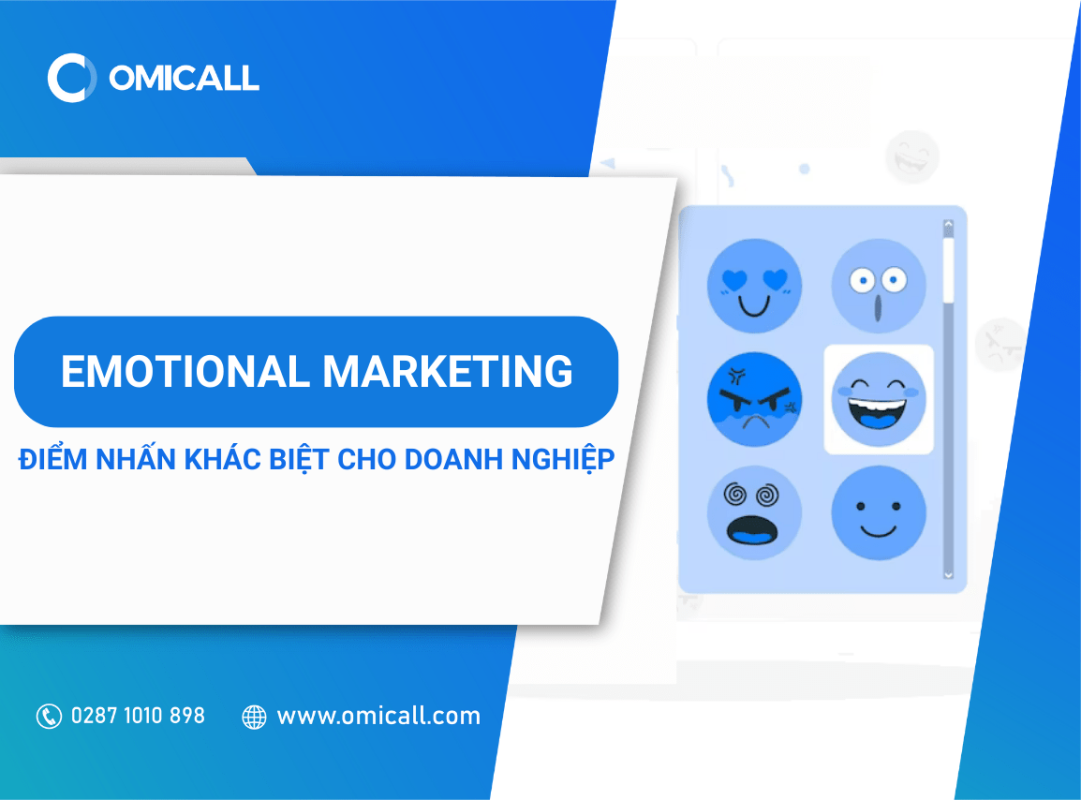
Emotional marketing is a marketing strategy whose primary goal is to stimulate customers’ emotions in order to create a strong connection between them and a product, service, or brand.
The goal of emotional marketing is to create enjoyable, emotionally engaging experiences and forge a mental connection between customers and the brand. This can help enhance brand awareness, build loyalty, and drive customer purchasing decisions.
Some common audio marketing techniques
In marketing, we can leverage a variety of different emotions to create a strong connection with customers. Marketers often choose to use some of the following common emotions to build a deep and meaningful bond with their target audience:
Happy
Happiness is a positive emotion that many people desire. Brands often use the emotion of happiness to create empathy and connection with consumers. For example, Coca-Cola often uses images of happy people together in its advertising campaigns.

Common types of emotional marketing
Love
Love is a powerful emotion that can influence human behavior. Brands often use the emotion of love to create a connection between their products or brands and loved ones. For example, the Coca-Cola – Brotherly Love campaign is a successful example of using the emotion of love to create a bond with customers.
Proud
Pride is a positive emotion that can motivate consumers to make purchases. Brands often use the feeling of pride to make consumers feel like they are part of a group or community. For example, Nike often uses the slogan “Just Do It” to inspire people to push their limits and pursue their dreams.
Scared
Fear is a negative emotion, but it can be used to drive purchasing action. Brands often use fear to warn consumers about the negative consequences of not using their products or services. For example, the Ministry of Natural Resources and Environment’s “Together to Protect the Environment” campaign uses images of polluted rivers to make consumers feel anxious about environmental pollution.
Sin
Guilt is a negative emotion that can cause consumers to feel ashamed or regretful. Brands often use guilt to make consumers feel the need to atone for their actions by purchasing their products or services. For example, Nike’s “Adopt a Habit” campaign used imagery of people experiencing health problems due to unhealthy lifestyle habits.
Why is emotional marketing effective?
Emotional marketing is effective because it leverages and stimulates human emotions. Emotions often play a significant role in purchasing decisions and the selection of products or services. Here are some reasons why it can be effective:
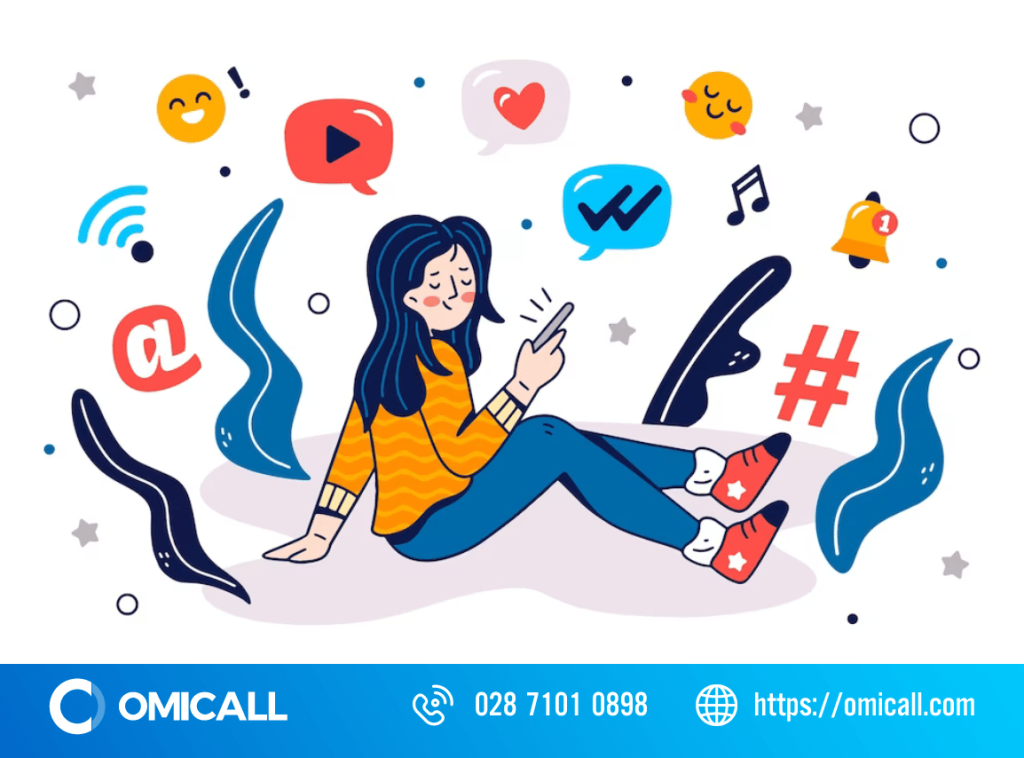
Why is emotional marketing effective?
Make a strong impression
Emotions have the potential to make a strong and lasting impression on customers’ minds. When customers experience a positive emotional connection with a brand, they are more likely to remember and form a stronger association with your product or service.
Motivate and connect with customers on a spiritual level.
Emotions can motivate customers to act. When they feel motivated or have an emotional purpose related to your product/service, they are more likely to take action such as making a purchase, signing up, or sharing your message.
Emotional marketing helps build a spiritual connection between customers and the brand. Customers can deeply feel and empathize with your message or story. This can create a lasting sense of trust and engagement.
Attract attention and stand out.
Emotional marketing creates a unique brand identity in a competitive environment, helping it stand out from the crowd and leave a lasting impression. Emotionally-driven advertising and content often quickly capture attention and maintain customer interest. It can even spread widely across social media, helping the brand gain popularity.
Here are some strategies for applying emotional marketing in your marketing campaign.
Use storytelling.
Storytelling is an effective way to capture attention and evoke empathy from consumers. Tell stories about your product or brand authentically and engagingly, allowing consumers to easily relate to and feel the emotions you want to convey.
Using images and sounds
Images and sounds can be powerful tools for evoking emotions. Use them appropriately to create the emotions you desire. For example, if you want to convey a message of happiness, use images of people who are happy and laughing.
Use language
Language can be used to evoke specific emotions. Use language skillfully to conjure the emotions you want to convey. For example, if you want to convey a message about confidence, use words like “confident,” “perfect,” “amazing.”

Use language that evokes emotions.
However, it’s important to note that emotional marketing also needs to be done cautiously and precisely. To avoid overusing emotions or creating a negative impression, brands need to understand their target audience and carefully consider how to use emotions to generate positive results.
Conclude
Emotional marketing plays a crucial role in attracting customers and competing with rivals. According to Nielsen research, emotional marketing campaigns often see higher sales growth—approximately 23% higher than other types of advertising. Large brands like Nike, Adidas, Coca-Cola, and Google frequently use emotions as a key part of their marketing strategies. This shows that if you invest properly in emotional marketing , your brand can compete and attract customer attention just like these major brands.
VIHAT TECHNOLOGY Co., Ltd
Headquarters: ViHAT Building – 06 Street No. 16 (Him Lam Residential Area) – Hiep Binh Chanh Ward – Thu Duc District – Ho Chi Minh City
Hanoi Branch: Floor 15, LADECO Building, 266 Doi Can, Ba Dinh, Hanoi
Cambodia Branch: Thida Rath #154 St. 33MC, Sangkat Steung Meanchey, Khan Mean Chey, Phnom Penh

-
 What is Online Marketing? Types of Online Marketing
-
 What is Marketing Automation? Effective Business Applications
-
 Effective Product Marketing – Its Importance in Business
-
 What is a marketing funnel? 5 effective types of marketing funnels.
-
 What is a marketing strategy, and why is it important?
-
 What is churn rate? Ways to reduce customer churn rate.