
Headless Commerce: Applications in the Future of E-commerce
Reading time: 6 minutes
In just a decade, e-commerce has become the focal point of the online business market and is growing rapidly. This requires businesses to adapt quickly and keep up with new technological trends. Headless Commerce is one such example .
What is Headless Commerce?
Headless Commerce is an e-commerce architecture where the frontend (interface, content, functionality, etc.) is separated from the backend (database system, design tools, management tools, customization features). They are linked together by APIs, allowing businesses to easily customize and update functionality without interfering with the user interface or CMS pages.
Vietnam’s leading AI-powered multi-channel virtual call center.
5 Benefits of Headless Commerce
Increase customization options.
In Headless Commerce application platforms, separating the frontend and backend into two distinct components gives businesses endless customization possibilities for designing their e-commerce systems. For example, they can optimize e-commerce functionality while simultaneously customizing the user interface without affecting the overall system operation. This allows businesses to better seize new opportunities in this competitive market.
Increase scalability
Another crucial part of this structure is the API connections between the frontend and backend. These API connections allow businesses to easily modify existing functionalities and develop new features as they expand their systems and business models.
Increase page load speed
This method allows for much faster processing of API calls compared to traditional e-commerce platforms.
This helps reduce the amount of information users receive and have to download, thereby increasing page load speed. Meanwhile, page load speed is part of SEO, so improving this will help improve the website’s ranking on search engines like Google, Safari, etc.
Seamless integration
Another advantage of API connections is integration for e-commerce systems. Most notably, this includes integration with various third-party services and utilities such as CRM, ERP, PIM, BI, or other built-in tools. Furthermore, this structure allows businesses to quickly test services and utilities and measure their suitability for e-commerce campaigns.
Multichannel selling
In this structure, API connectivity also facilitates easier integration with multiple sales channels, including e-commerce marketplaces, e-commerce websites, e-commerce apps, social networks, or new channels in the future, provided they have APIs.
At the same time, Headless CMS (Headless Content Management System) also helps optimize content on devices such as desktops, tablets, and mobile phones connected via IoT (Internet of Things) to provide a seamless shopping experience for customers.
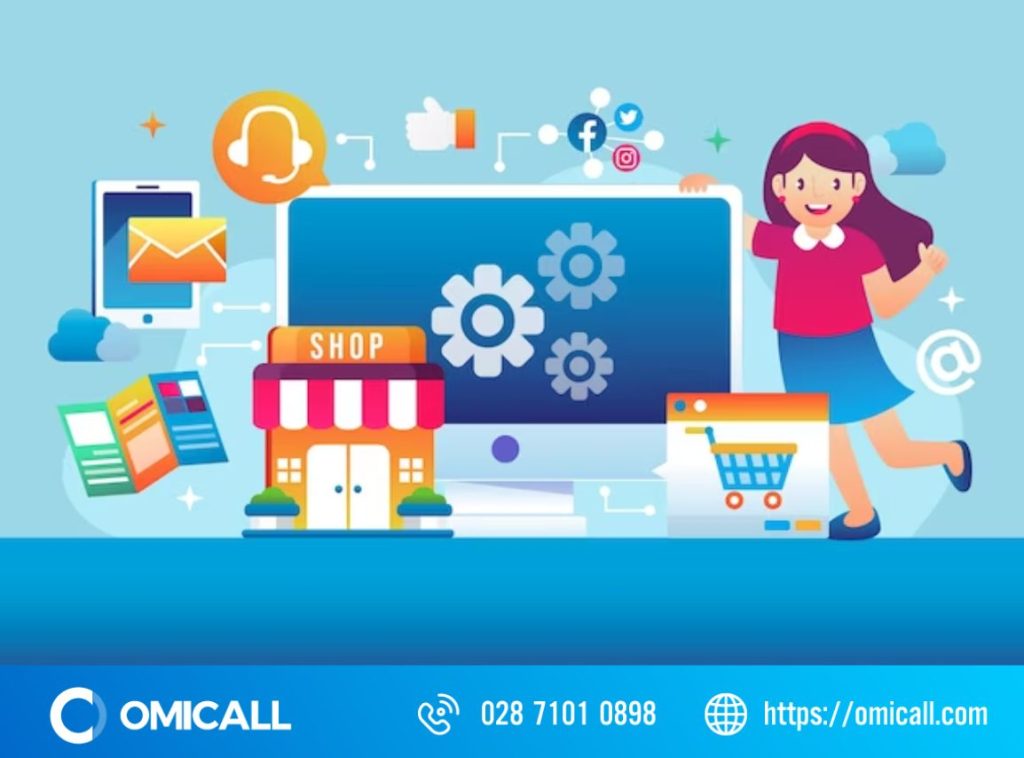
Headless Commerce helps optimize multi-channel sales.
Applications of Headless Commerce
Some applications of Headless Commerce in e-commerce implementation that are widely adopted by businesses include:
- The backend system of an e-commerce website allows administrators to manage products, marketing campaigns, and inventory using PWAs (Progressive Web Apps), etc. These changes will not affect the website’s frontend interface, and it can also control APIs to display on the user’s mobile app frontend.
- AR is a technology trend that has been widely adopted by e-commerce businesses recently. In this approach, users can see simulated animated images of products through a virtual reality handheld device, which can be considered a “frontend” linked to the backend via API.
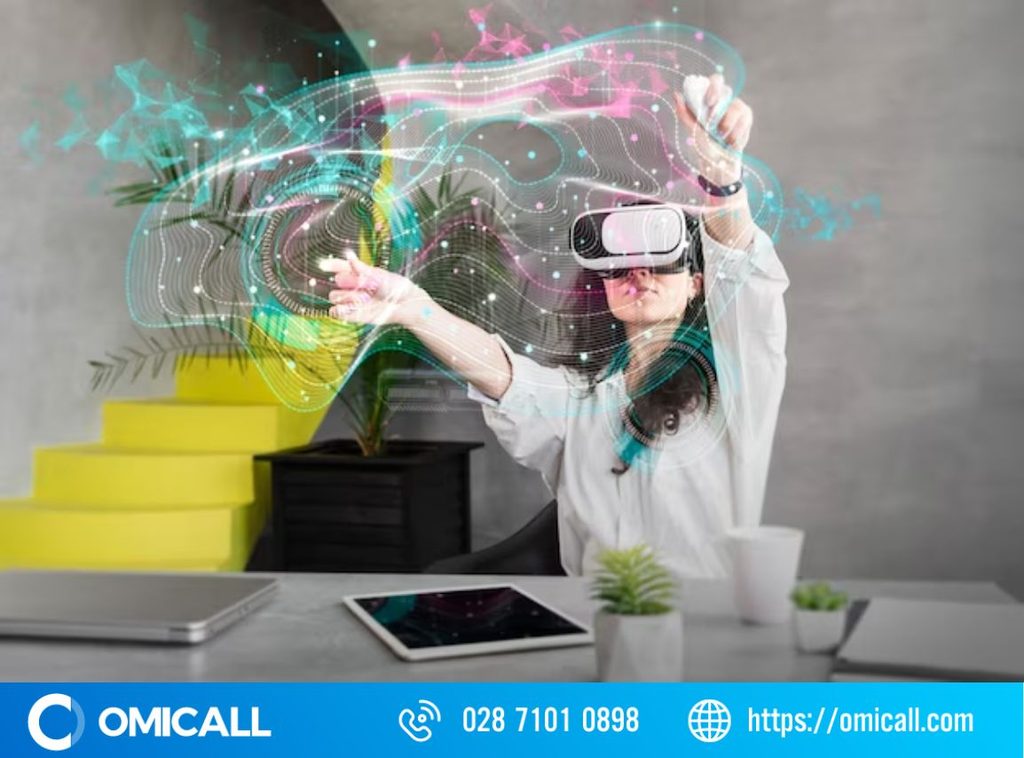
AR applications
- Product Information Management (CRM) functions as backoffice software, handling product and customer information in the backend system. By implementing a Headless architecture, it’s possible to fully control backend data and display it across various frontend interfaces through API integration, such as e-commerce platforms, e-commerce websites, e-commerce apps, and social media.
Two ways to approach Headless Commerce?
Identify the underlying platform
The first step in embracing Headless Commerce is for your business to determine whether to keep or switch to your current commerce platform.
For small businesses, the best way to build this architecture is to add APIs to their existing commercial platform. Mid-sized enterprises often choose to move to SaaS (software as a service) solutions because SaaS offers greater scalability and flexibility in the long run.
Choose Headless CMS
If you’re delivering content to visitors across multiple channels, then you should choose a headless content management system (CMS). This way, you can use a single content management system to create content tailored to each channel and user experience. APIs will help you synchronize the front-end and back-end to deliver content to the right point of contact for your customers.
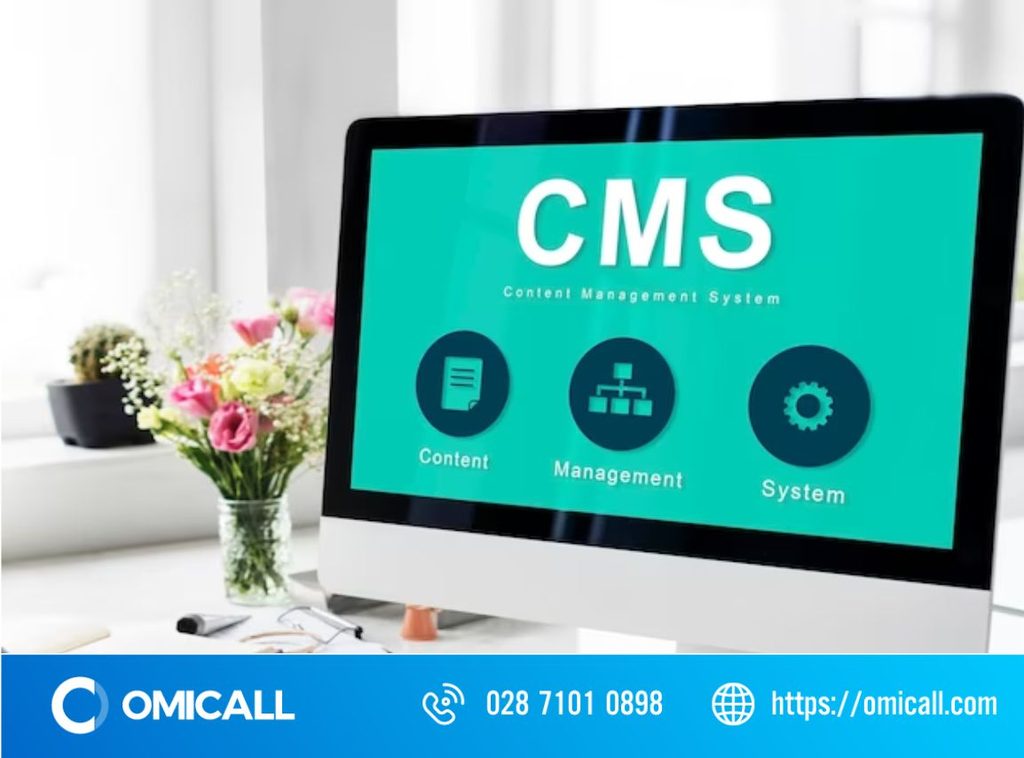
Choose Headless CMS
You can choose an open-source CMS or get one from a software service provider. An open-source system will make your website more flexible, but you need a solid understanding of how to build and deploy it. SaaS is a great solution to help your business get started faster.
In conclusion
Overall, the future implementation of e-commerce alongside headless commerce is not far-fetched for businesses with a long-term market orientation, given the many advantages this technology can offer. However, whether or not to adopt it depends heavily on the e-commerce business strategy of each company.
VIHAT TECHNOLOGY Co., Ltd
Headquarters: ViHAT Building – 06 Street No. 16 (Him Lam Residential Area) – Hiep Binh Chanh Ward – Thu Duc District – Ho Chi Minh City
Hanoi Branch: Floor 15, LADECO Building, 266 Doi Can, Ba Dinh, Hanoi
Cambodia Branch: Thida Rath #154 St. 33MC, Sangkat Steung Meanchey, Khan Mean Chey, Phnom Penh

-
 What is TikTok advertising? Advertising policies and how it works.
-
 Exploring Conceptual Selling – Understanding Modern Sales Trends Correctly
-
 What is a KOC? Distinguishing between KOLs and KOCs.
-
 What Are Customer Insights? Revealing How to Effectively Uncover Them
-
 What is Digital Marketing? 10 Effective Forms of Digital Marketing
-
 What is Online Marketing? Types of Online Marketing





