

10 VoIP Business Switchboard Features You Should Not Miss
Reading time: 4 minutes
With a VoIP switchboard, businesses gain a powerful business tool. The cost of setting it up is also minimal compared to installing and maintaining a traditional switchboard.
Each VoIP service provider offers different features. What matters most is identifying which calling features your business actually needs in a virtual switchboard. Let’s explore 10 standout features that a VoIP switchboard brings to businesses — so you can make the most cost-effective and suitable choice for your organization.
1. Smart Call Management
Using a VoIP switchboard application, businesses can prioritize, hold, route, and block incoming calls. This feature also supports various interactions between agents and customers, helping to improve the quality and impact of VoIP calls.
2. Call Routing
With call routing, businesses can systematically direct incoming calls. Routing objectives can be based on the customer, purpose, agent performance, or agent availability.
3. Call Recording
The VoIP switchboard can record calls directly within the system, while displaying complete call and customer information in the notes section. This allows telesales staff to better understand the customer’s situation, helping to deliver and improve service quality while boosting business performance.
4. Conference Bridge
Conference Bridge is a feature that allows you to add more than 3 participants to a single call.
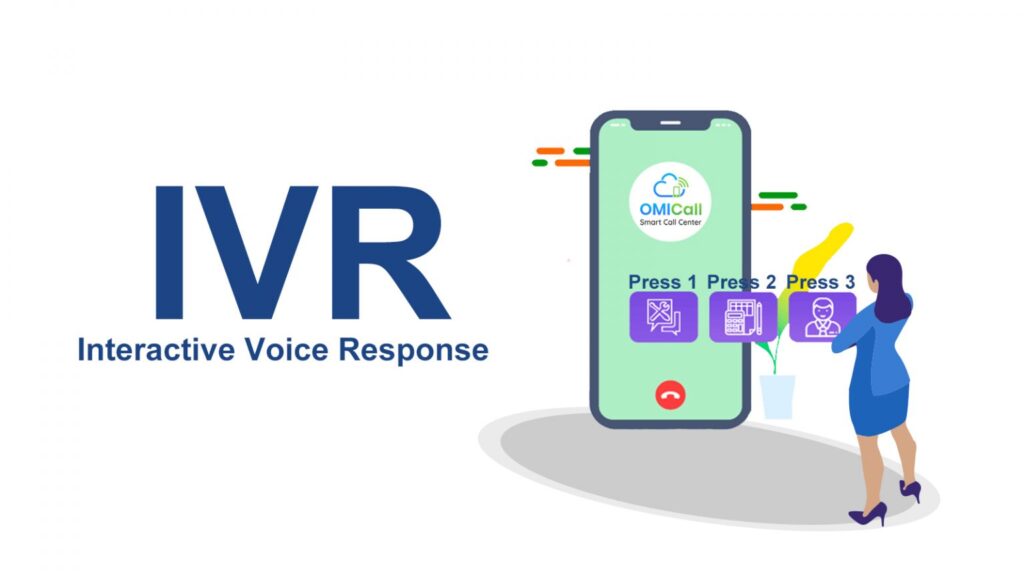
5. Interactive Voice Response (IVR)
With IVR, callers interact with a pre-configured voice menu and select options by pressing available number keys (e.g., 0, 1, 2, 3, …) to address their concerns.
6. Number Portability
Many businesses have phone numbers that are closely tied to their brand and familiar to customers. Switching numbers is therefore a major concern for business owners — traditionally, migrating to a VoIP system meant losing the old number and having to promote a new one.
However, with a VoIP switchboard, this issue is now resolved. Many VoIP providers allow businesses to retain their existing number from any previous carrier and port it into the new business VoIP system.
7. VoIP Switchboard App on Mobile / PC
VoIP has a control advantage over traditional switchboards because it is largely managed and operated through software. This means users can interact with the system directly by installing the VoIP app — supporting group chat and customer interaction from anywhere with an internet connection.
8. SIP Trunking
SIP stands for Session Initiation Protocol. SIP Trunking governs voice connectivity over IP between an on-premise telephone system and the public switched telephone network (PSTN).
9. Voicemail
There will be times when no agent is available to answer the phone. In such cases, businesses should enable the voicemail feature for callers. This makes callers feel at ease, knowing their needs will be addressed. Basic voicemail allows callers to leave a short audio message, after which the switchboard system notifies the agent when a new message has been received.
10. Voicemail to Email
Always monitor the voicemail inbox at all times. This ensures messages are opened and read promptly, enabling quick action. The automatic voice message forwarding feature helps telesales staff stay informed about customer status.
The above highlights some of the standout features that a VoIP switchboard system offers. Making optimal use of these features helps businesses maximize their operational efficiency.
If your business is looking for a professional VoIP switchboard partner, contact OMICall today for a free consultation and system trial.
VIHAT TECHNOLOGY Co., Ltd
Headquarters: ViHAT Building – 06 Street No. 16 (Him Lam Residential Area) – Hiep Binh Chanh Ward – Thu Duc District – Ho Chi Minh City
Hanoi Branch: Floor 15, LADECO Building, 266 Doi Can, Ba Dinh, Hanoi
Cambodia Branch: Thida Rath #154 St. 33MC, Sangkat Steung Meanchey, Khan Mean Chey, Phnom Penh

-
 What is TikTok advertising? Advertising policies and how it works.
-
 Exploring Conceptual Selling – Understanding Modern Sales Trends Correctly
-
 What is a KOC? Distinguishing between KOLs and KOCs.
-
 What Are Customer Insights? Revealing How to Effectively Uncover Them
-
 What is Digital Marketing? 10 Effective Forms of Digital Marketing
-
 What is Online Marketing? Types of Online Marketing





