Automated IVR System – 7 Mistakes That Drive Customers Away from Your Business
Reading time: 7 minutes
The IVR (Interactive Voice Response) system in a virtual call center is enormously beneficial for businesses. In fact, the vast majority of companies today use IVR in their operations. It is not merely an advanced technology that helps businesses interact with, market to, and successfully connect with customers — it is also an indispensable tool for any growing business that wants to build a loyal customer base.
What Is an Automated IVR System?
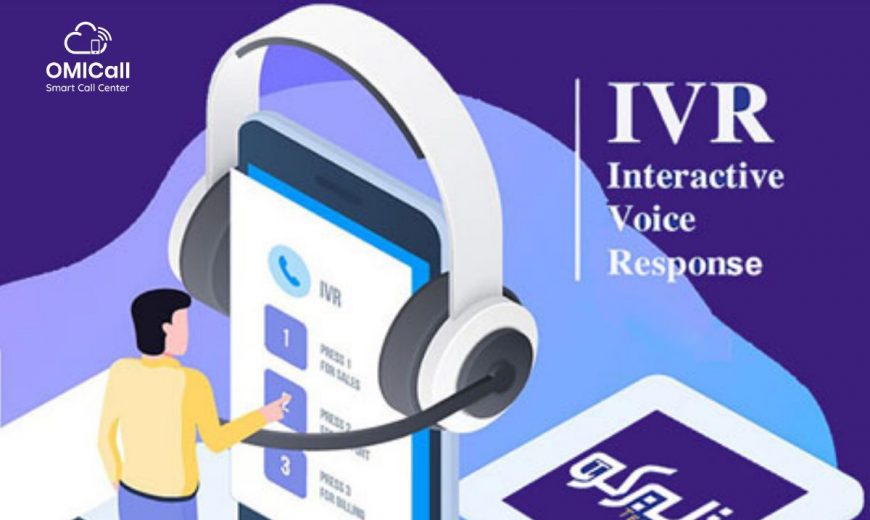
An IVR (Interactive Voice Response) system is an automated voice response system that operates over the phone. Each business pre-configures its own IVR script so that when customers call, they can easily follow the instructions, interact and receive responses quickly, and be reminded of the brand. IVR saves time, effort, and costs in customer care and marketing — but when done poorly, it can also frustrate callers and cause businesses to lose a large number of customers.
7 Mistakes When Building an IVR System
These customer losses often occur because a business’s IVR system is not logical, engaging, or falls into one of the following common pitfalls:
1. Limiting IVR Operating Hours
Every customer calls at a different time and for a different reason — their needs, problems, and preferred solutions all vary. Customers will quickly lose goodwill toward a business if the IVR system has restricted operating hours. For example, if a company’s IVR only runs during business hours and a customer happens to call when it’s offline, they will feel frustrated and immediately turn to a competitor. These seemingly minor oversights can cost a business dearly.
To avoid this mistake, businesses should build their IVR to operate 24/7 to serve customers around the clock. If that’s not possible, set up options that allow customers to leave a voicemail or schedule a callback for the following day — keeping the experience pleasant and leaving customers with a positive impression every time they call.

2. Poor Audio Quality
Poor audio quality manifests as unpleasant voice recordings, background noise, and similar issues. Many businesses today build their IVR systems using text-to-speech voices (like “Google Assistant”) or recordings made through a speaker to cut costs, rather than recording in a proper studio with quality equipment. This is a mistake that can quickly erode customer trust and make the business appear unprofessional.
To achieve quality audio, businesses must record carefully. A professional IVR should be free of background noise and regional accents. Ideally, all audio should be recorded by the same person, using the same device, in a dedicated recording space.
3. Too Many Menu Options
An IVR system is designed to resolve customer issues as quickly as possible and direct them where they need to go — saving time for both the customer and the business. What customers need is speed and simplicity. An IVR with too many options leaves callers confused, unsure which key to press, and forced to sit through unnecessary information repeatedly. This breeds frustration and dissatisfaction, making them more likely to switch to a competitor.
To avoid this, businesses should trim less important information and communicate only the most specific and essential options — keeping them easy to follow and easy to remember. If a large number of options is genuinely necessary, group them into smaller subcategories so customers can find what they need efficiently.
4. Failing to Update the IVR Regularly
A common mistake many businesses make is setting up their IVR system once and never updating it. Stale, outdated IVR menus can drive customers away.
Updating the IVR based on customer behavior and evolving needs leads to better results, giving customers the impression of a modern and professional business that consistently delivers quality service — keeping the brand top of mind. Regular updates also save call center agents time by helping them better anticipate and understand customer needs, enabling them to provide superior service.
5. Illogical or Poorly Structured IVR Scripts
Another frequent mistake is building an IVR with a script that lacks logical structure. Complicated, hard-to-follow instructions damage customer goodwill. For instance, if most customers call to get purchasing advice but that option is buried at the end of the menu — preceded by a string of irrelevant information — callers will grow impatient. Similarly, placing promotional content at the top of every call just to deliver a marketing message will frustrate customers who have to wait through it before reaching their desired option.
When building an IVR, structure the menu logically: assign the most popular and in-demand options to the first key (e.g., press 1), and place less frequently accessed options further down the menu. This allows customers to find what they need quickly and effortlessly.
6. Overuse of Technical Jargon
The majority of callers are people who want to learn about a product or service and don’t yet have in-depth knowledge of the subject. Building an IVR filled with technical terminology will leave customers confused and likely to abandon the call — and the business — altogether. When designing an IVR, choose simple, everyday language that any customer can understand regardless of their background.
7. No Option to Request a Callback
Automated menu options cannot resolve every customer issue, and call center agents are not always available to answer immediately. Without a callback option, customers may quickly give up and go to a competitor. Businesses should therefore always include an option allowing customers to request a callback at a convenient time. This not only keeps customers satisfied but also prevents the business from losing them to the competition.
OMICall – Building the Most Logical and Professional IVR
OMICall is a leading provider of smart virtual call center services for businesses, featuring the most logically structured IVR greeting system available. OMICall’s IVR guides customers in selecting the right call branch and routes calls to the specific department or staff member they need — quickly and effortlessly — ensuring no important call is missed and no customer is left waiting.
This enhances the customer experience and strengthens their connection with the business. Notably, OMICall allows businesses to fully customize their IVR greeting configuration to suit their specific needs. OMICall’s virtual call center also integrates with CRM, ERP, websites, and more for optimized customer management and care.
VIHAT TECHNOLOGY Co., Ltd
Headquarters: ViHAT Building – 06 Street No. 16 (Him Lam Residential Area) – Hiep Binh Chanh Ward – Thu Duc District – Ho Chi Minh City
Hanoi Branch: Floor 15, LADECO Building, 266 Doi Can, Ba Dinh, Hanoi
Cambodia Branch: Thida Rath #154 St. 33MC, Sangkat Steung Meanchey, Khan Mean Chey, Phnom Penh

-
 What is Online Marketing? Types of Online Marketing
-
 What is Marketing Automation? Effective Business Applications
-
 Effective Product Marketing – Its Importance in Business
-
 What is a marketing funnel? 5 effective types of marketing funnels.
-
 What is a marketing strategy, and why is it important?
-
 What is churn rate? Ways to reduce customer churn rate.