Learn about CRM systems – 3 outstanding benefits for businesses.
Reading time: 5 minutes
If you are a business looking into CRM-integrated virtual call center software, but you’re still unclear about understanding CRM systems, and you don’t know clearly how they work or the benefits they offer, then this article is for you!
What is a CRM system?
Customer Relationship Management – also known as CRM – helps manage customer relationships and information. It’s software capable of storing and monitoring all customer information in one system. It completely replaces spreadsheets, databases, or any other manual backup applications.
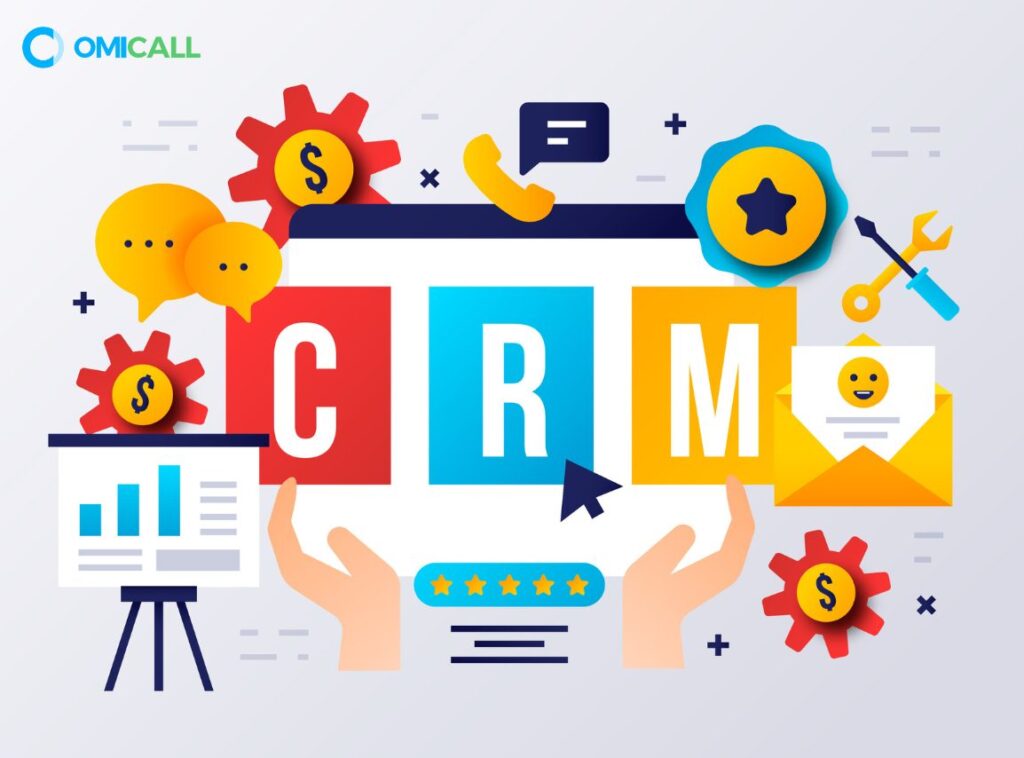
What is a CRM system?
Besides its primary role of helping businesses store, categorize, organize, and analyze customer information to promptly understand customer needs and problems, their current location, and the business’s position in the customer journey, a CRM system also acts as a repository and an AI assistant, providing you with a comprehensive overview of your target customer base.
Therefore, many business support tools and software today integrate CRM, with smart multi-channel call centers being a prime example.
Understanding the Features of a CRM System
Tracking Interactions
CRM systems can also track customer interactions through:
- Phone calls
- Interactions via social media platforms such as Viber, Messenger, Zalo ZCC, Zalo ZNS, etc.
Managing Potential Customer Information
You can easily collect, track, and effectively manage information about your customers such as: Phone number, name, address, interaction flow, behavior and preferences, products/services of interest, etc.
Storing Existing Customer Data
In addition to storing personal information, CRM systems also help businesses store call history, interactions, products they have used, problems they have encountered, mark customer journeys, and categorize them, etc.
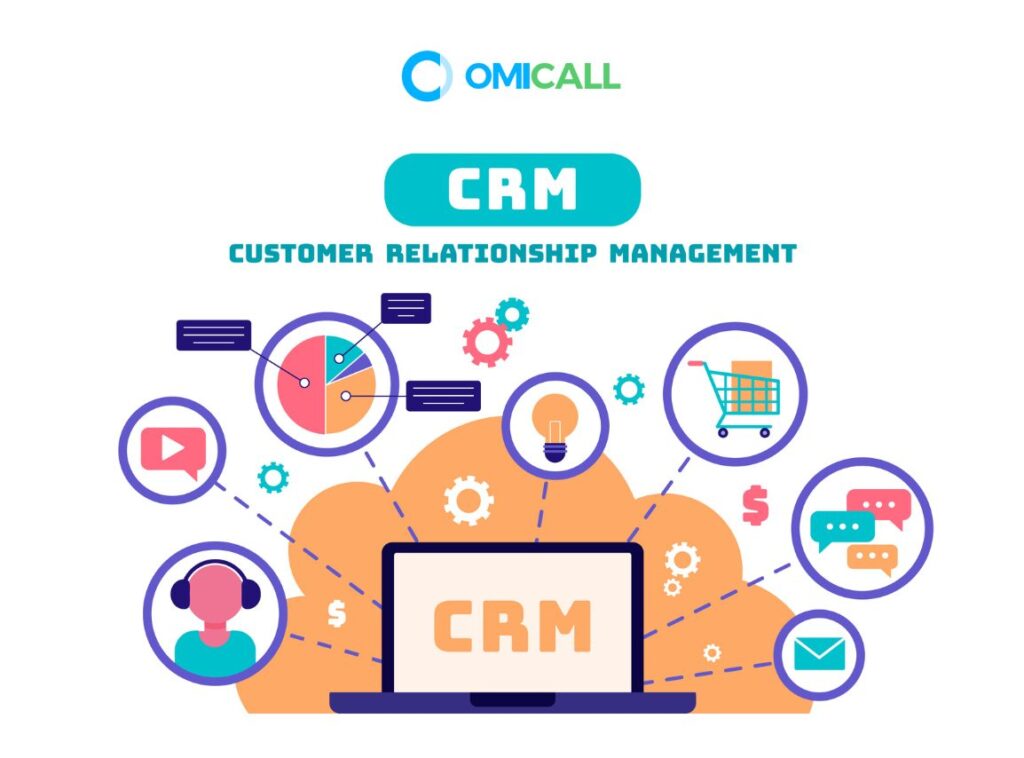
Features of CRM Systems
Automation Marketing
Most modern CRM systems can implement automation marketing features, helping businesses automate workflows and save human resources. Businesses can maintain strong customer relationships through: tracking and scheduling appointments, posting on social media, etc., without spending too much time on manual operations.
Information Analysis
Integrating CRM software into business tools maximizes information analysis capabilities, such as: providing in-depth information on sales and purchase trends within the system, generating reports on customer satisfaction levels, etc.
Utilizing Artificial Intelligence (AI)
Not only CRM, but all sales support software today aims to apply AI to improve efficiency and optimize processes.
3 Types of CRM Systems Currently Available
Collaborative CRM
Strategic CRM, also known as Collaborative CRM, brings together multiple marketing, sales, and customer service applications within a single system. The goal is to improve work efficiency and information exchange between departments and branches in different regions.
For example: When a customer contacts the business and provides information, the system synchronizes that information flow across all employees. Therefore, the customer won’t have to repeat their personal information or problem multiple times when speaking with different support staff.
Operational CRM
Operational CRM helps you automate marketing, sales, and customer service processes. Specifically:
- Sales: Create automated transactions, schedule email sending, book meetings, etc.
- Customer Service: Send automated responses, display customer information pop-ups when they contact you, etc.
- Marketing: Coordinate email marketing campaigns, distribute content on social media platforms, etc.
Analytical CRM
Analytical CRM helps collect and analyze customer data, contributing to businesses accurately understanding customer needs to improve products and service quality.
3 outstanding benefits of a CRM system:
Optimizing the customer journey
Personalizing customer service: Recording interaction history, displaying pop-ups with detailed information notes for each customer, etc.
Optimizing the time to handle customer issues: Through stored information, you can easily know what services customers have purchased and used from your business, thereby providing customers with better products.
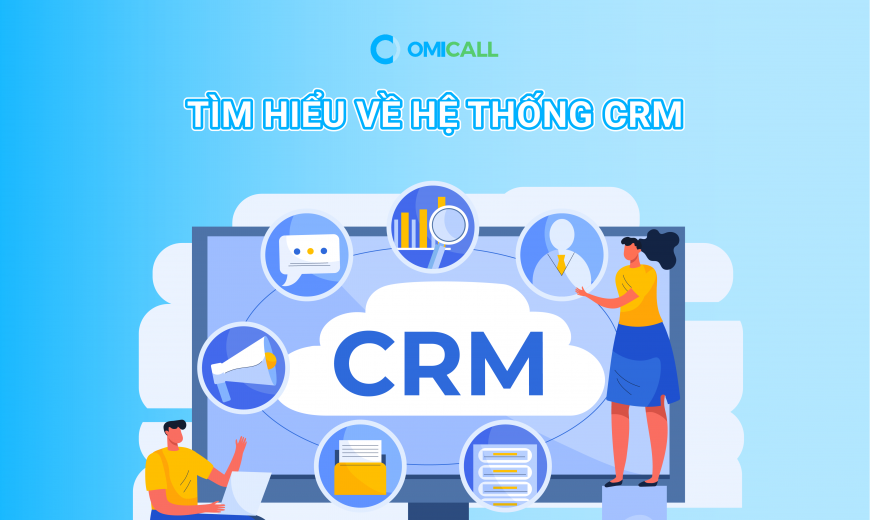
Understanding CRM Systems – 3 Outstanding Benefits for Businesses
Increased Sales Revenue
CRM systems make sales and customer service processes smarter, faster, and more efficient, saving time and manpower while maintaining professionalism. Optimizing the customer experience directly impacts your revenue.
Suggestions for More Effective Advertising and Marketing Campaigns
More Detailed Information: Aggregating data in one place, including customer information, interaction history, and customer issues, allows the marketing team to gain a clear understanding. This enables them to identify market needs and customer desires through frequently used keywords, optimizing marketing campaigns more accurately.
Personalizing the customer experience journey: As mentioned, businesses can completely segment customers according to the funnel, thereby personalizing their experience based on the problems they are facing or their desires and preferences.
VIHAT TECHNOLOGY Co., Ltd
Headquarters: ViHAT Building – 06 Street No. 16 (Him Lam Residential Area) – Hiep Binh Chanh Ward – Thu Duc District – Ho Chi Minh City
Hanoi Branch: Floor 15, LADECO Building, 266 Doi Can, Ba Dinh, Hanoi
Cambodia Branch: Thida Rath #154 St. 33MC, Sangkat Steung Meanchey, Khan Mean Chey, Phnom Penh

-
 What is Online Marketing? Types of Online Marketing
-
 What is Marketing Automation? Effective Business Applications
-
 Effective Product Marketing – Its Importance in Business
-
 What is a marketing funnel? 5 effective types of marketing funnels.
-
 What is a marketing strategy, and why is it important?
-
 What is churn rate? Ways to reduce customer churn rate.