
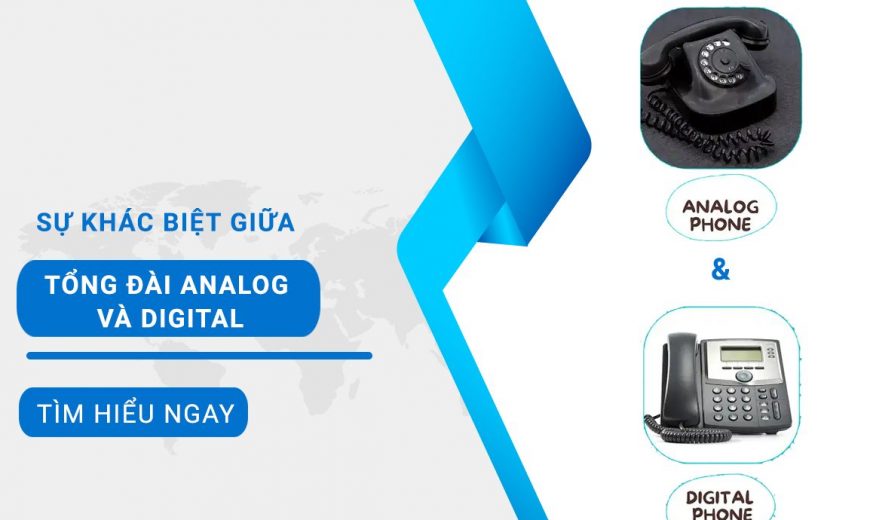
What is the difference between analog and digital PBX systems?
Reading time: 4 minutes
The use of PBX systems is no longer unfamiliar to businesses today. There are two main types of PBX systems commonly used in the market: analog PBX and digital PBX (IP PBX).
So, what are the differences between analog and digital PBX systems? Why are businesses increasingly preferring digital PBX systems?
Analog and Digital PBX Systems
What is an analog PBX system?
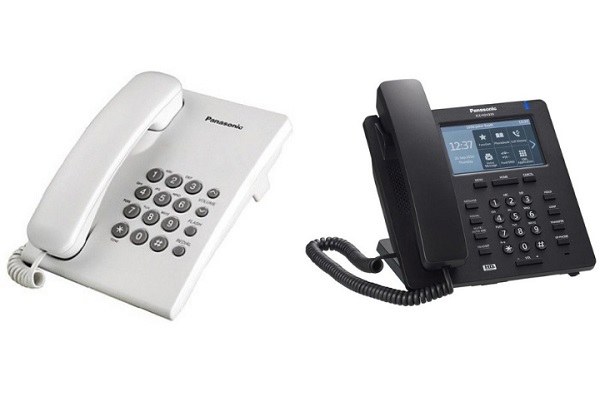
Analog PBX
An analog PBX is a telephone exchange system that operates via telephone lines installed by the postal service. The PBX uses analog technology, requiring customers to purchase multiple hardware devices and then route extensions to different departments.
What is a Digital PBX (IP PBX)?
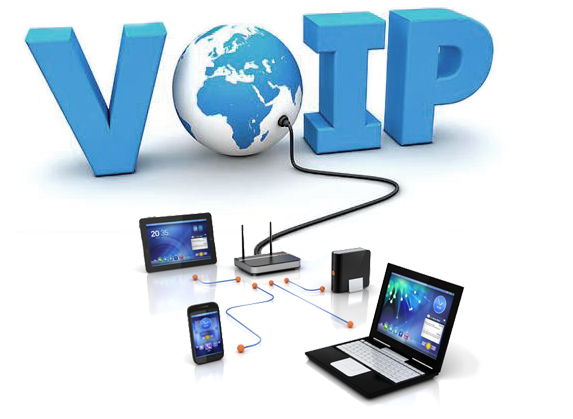
Digital PBX (IP PBX)
A digital PBX is a software-based telephone system operating on an IP (Internet Protocol) network infrastructure.
What are the differences between analog and digital PBXs?
Easy and rapid scalability
With analog PBXs, expanding the branch network requires significant investment in hardware equipment for new locations and departments. Digital PBXs, however, allow for easy system upgrades and branch expansion without hardware investment, minimizing business costs.
Connectivity with other applications
With a digital PBX (IP PBX), businesses can easily integrate with other CRM solutions to optimize customer management. Integrating an analog PBX with other solutions and software requires additional hardware investment, increasing costs and resource consumption.
Support for numerous extended features
Traditional analog PBX systems often lack features that optimize customer service processes. Digital PBX systems, on the other hand, offer features such as call recording and automatic call forwarding. This helps businesses optimize customer service processes and better understand customer needs.
Simple and convenient relocation
With traditional analog PBX systems, businesses primarily invest in hardware equipment. This equipment becomes cumbersome as the business expands and relocates. Furthermore, reinstalling the equipment is time-consuming and labor-intensive.
In contrast, digital PBX systems (IP PBXs) are much more convenient to relocate because they are integrated into the software. Employees can use the PBX system anytime, anywhere, reducing relocation costs for businesses.
Human Resources Management
Typically, when using a traditional analog PBX system to manage human resources, businesses have to contact the provider for support in handling management tasks. With a digital PBX, managers can simply use their phones to manage personnel anytime, anywhere. Businesses can easily optimize customer service processes, thereby boosting revenue quickly.
Conclusion
The above are the differences between analog and digital PBX systems. Hopefully, this article will give you an overview and help you choose the right PBX system for your needs.
VIHAT TECHNOLOGY Co., Ltd
Headquarters: ViHAT Building – 06 Street No. 16 (Him Lam Residential Area) – Hiep Binh Chanh Ward – Thu Duc District – Ho Chi Minh City
Hanoi Branch: Floor 15, LADECO Building, 266 Doi Can, Ba Dinh, Hanoi
Cambodia Branch: Thida Rath #154 St. 33MC, Sangkat Steung Meanchey, Khan Mean Chey, Phnom Penh

-
 What is TikTok advertising? Advertising policies and how it works.
-
 Exploring Conceptual Selling – Understanding Modern Sales Trends Correctly
-
 What is a KOC? Distinguishing between KOLs and KOCs.
-
 What Are Customer Insights? Revealing How to Effectively Uncover Them
-
 What is Digital Marketing? 10 Effective Forms of Digital Marketing
-
 What is Online Marketing? Types of Online Marketing





